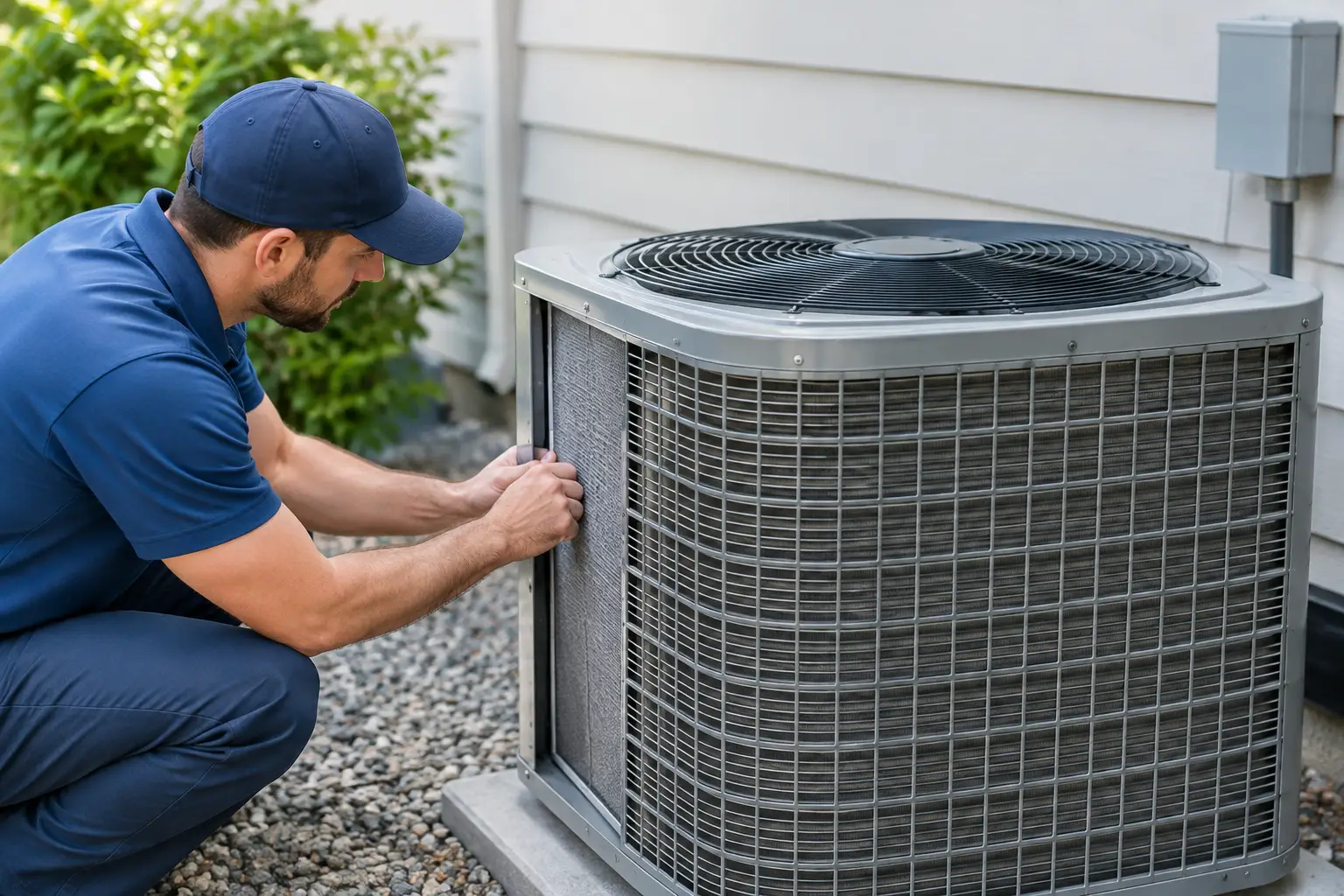
A coastal home can look clean on the surface while its air-conditioning system is pulling sand, fine dust, renovation debris, and moisture through the same equipment that keeps the home comfortable. To protect HVAC equipment from dust, property owners need to pay attention before airflow drops, odors start, or the system is working overtime in Puerto Peñasco heat.
For many second-home owners, the trouble builds while the property is vacant. A dusty filter, open construction areas, or a return vent near a door that is frequently opened can load the system without anyone noticing. By the time you arrive for a weekend or season, the AC may be blowing weakly, the registers may be dirty, and the inside of the ductwork may hold far more contamination than is visible from the room.
Why Dust Causes More Than a Housekeeping Problem
Dust does not stay in one place once the HVAC system starts running. It collects on filters, blower components, evaporator coils, supply registers, return grilles, and inside ducts. In a hot, humid, windy coastal area, dust can mix with moisture and form a sticky layer that is harder to remove and more likely to support musty odors or mold concerns.
The first damage is often reduced airflow. A clogged filter makes the blower work harder to move air. Dust on a coil can interfere with heat transfer, which means the system may run longer to cool the same space. That added strain can increase energy use and contribute to premature equipment wear.
There is also an indoor-air concern. Every time the system cycles, loose dust and debris can move through the home. This is especially frustrating for owners who arrive to find dust on furniture soon after cleaning, family members bothered by allergies, or a stale smell coming from the vents. A clean-looking register does not prove the duct behind it is clean.
Protect HVAC Equipment From Dust at the Filter
The air filter is the first line of defense, but only when it fits properly and is changed on schedule. A filter that is bowed, undersized, installed backward, or left in place too long allows air to bypass the material or restricts airflow too severely.
For a regularly occupied home, inspect the filter at least monthly and replace it when it is visibly loaded. In a vacation property, check it before leaving and again when returning, even if the home has been vacant. A remodel, nearby construction, open windows during high wind, pets, or frequent guest turnover can require more frequent changes.
Higher-efficiency filters can capture finer particles, but there is a trade-off. A filter that is too restrictive for the system can reduce airflow and put unnecessary stress on the blower. The right filter rating depends on the HVAC equipment, return-air setup, and the condition of the home. If you are uncertain, use the filter type specified by the equipment manufacturer or ask a qualified HVAC professional to confirm the proper option.
Do not run the system with no filter in place, even briefly during cleaning or maintenance. That shortcut can pull unfiltered dust directly onto sensitive internal components.
Keep Dust From Entering the System
Filters catch only the material that reaches them. Reducing the dust entering return vents protects the equipment and helps the filter last as intended.
Keep return grilles clear of furniture, rugs, and stored items. When a return is blocked, the system may pull air and dust through gaps around doors, windows, or duct connections instead of drawing air freely from the room. Vacuum return grilles and supply registers carefully using a brush attachment, especially after a windy period or a long vacancy.
During renovations, take stronger precautions. Drywall dust, sawdust, tile debris, and insulation particles can enter a system quickly. If possible, shut down the HVAC system while dust-producing work is underway. Cover supply and return openings securely during demolition, sanding, and cutting, then remove the coverings before operating the system again. A new filter should be installed after the work is complete, but a filter replacement alone may not solve the problem if debris has already entered the ducts or air handler.
Pay attention to gaps around return boxes, duct connections, and attic or ceiling penetrations. Damaged or disconnected ductwork can pull dusty air from wall cavities, crawlspaces, or unconditioned areas. This is one reason a visual inspection matters. The source of recurring dust may be hidden where a homeowner cannot safely or practically reach it.
Know When Duct Cleaning Is the Right Next Step
Duct cleaning is not a substitute for filter maintenance or repair, and it is not automatically needed on a fixed calendar. It becomes more appropriate when there is a clear contamination issue or evidence that debris is affecting the system and indoor air.
Common reasons to inspect the ductwork include visible dust blowing from registers, black or dark buildup around vents, foul or musty odors when the AC runs, pest evidence, water damage, mold concerns, or a recent remodel. Buyers of older homes and condos may also want answers before moving in, particularly when the prior maintenance history is unknown.
A proper inspection should look beyond the vent cover. Camera-based viewing can show dust accumulation, construction material, damaged duct sections, moisture-related conditions, or obstructions deeper in the system. Photos and video give the owner something concrete to review instead of a vague recommendation to clean everything.
When cleaning is needed, the work should remove contamination rather than simply stir it up. HEPA-filtered collection equipment, targeted cleaning of registers and vents, and attention to accessible duct interiors help keep removed debris from being released back into the home. If a damaged section is inaccessible, the useful next step may be to identify its exact location so the appropriate repair professional can address it without unnecessary demolition.
Watch for Equipment Warning Signs
Dust-related HVAC problems do not always begin with a dramatic breakdown. Often, the system gives smaller warnings first. You may notice that some rooms cool poorly, the AC runs longer than it used to, vents have a dusty or oily film, or the home develops an odor only when the system starts.
Other warning signs deserve prompt attention: a filter that becomes dirty unusually fast, rattling or whistling near duct connections, debris around the indoor unit, evidence of insects or rodents near vents, and moisture staining around registers. Moisture plus dust is a condition worth investigating quickly because it can create an environment for microbial growth.
Do not assume an odor is just part of leaving a home closed up. A closed vacation property can develop stale air, but persistent musty, sour, or foul odors may point to contamination in ducts, moisture at a coil or drain area, or another hidden issue. The right answer depends on what an inspection finds.
A Practical Plan for Vacation-Home Owners
Second homes need a maintenance plan that works even when the owner is several states away. Before leaving Puerto Peñasco, install a clean filter if needed, clear visible dust from returns, make sure no renovation debris is left near vents, and set the thermostat according to your property and humidity needs. If a property manager visits the home, ask them to report unusual odors, weak airflow, water around the indoor equipment, or heavy dust at registers.
After a stormy season, extended vacancy, pest issue, purchase of a new property, or remodeling project, schedule an inspection rather than guessing about the condition of concealed ducts. Clean It 4U Mexico uses camera-led inspection and visual documentation to show owners what is inside the system and what should be cleaned, repaired, or monitored.
Your HVAC equipment is one of the most expensive working systems in the home. Treat recurring dust, odors, and airflow changes as a reason to look deeper, not as something to cover up with a new vent cover or air freshener. A timely inspection can give you a clear next step before a small hidden problem becomes an expensive repair.